


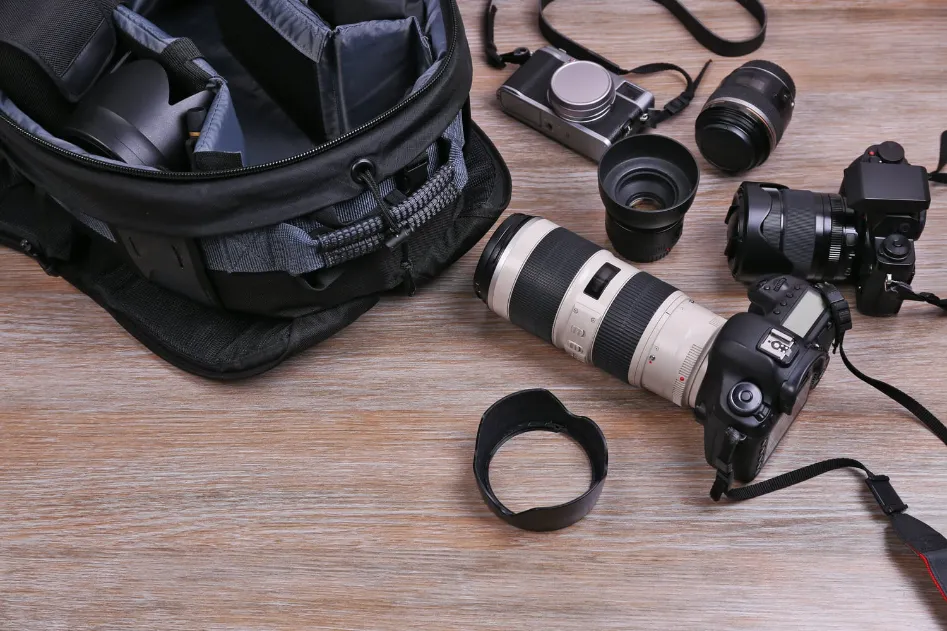
The most frequent question that we receive from our students is : “I’m new to photography / videography, which camera / lens should I buy”?
We update this article every year to help you choose the correct gear for your needs. The opinions in this article are based on extensive research in the Swiss and German markets and our experience with thousands of students during our classes.
Table of Contents
Current trends for 2026
- Full Frame Popularity: Full frame sensors are more affordable than ever.
- Autofocus Revolution: Subject tracking (Eyes, Animals, Vehicles) is now standard even in budget models.
- Video First: Almost all new cameras are now excellent hybrids for video and vlogging.
Overall recommendations:
Buying advice:
- Consider buying secondhand: A camera with under 50,000 actuations has plenty of life left.
- Consider renting before you buy to figure out which brand you will actually use. Remember that you cannot use lenses from different manufacturers, so once you select a brand, you will have to start investing in lenses made for that brand.
- Skip the “Kit Lens”: Usually 18-55mm, these lenses struggle in low light. Buy the body only and pair it with a higher-quality prime or zoom lens.
- Invest in learning: Better gear doesn’t make you a better photographer. Save on gear in the beginning and invest in classes & education. Learning photography will get you better photos with any camera, including your phone. Cameras are like paintbrushes; buying the best won’t guarantee a masterpiece.
Gear advice:
- Go Mirrorless: DSLRs are legacy tech. Mirrorless cameras are lighter, faster, and show you the final image before you shoot.
- Sensor Size: We generally recommend APS-C (Cropped Sensor) for beginners to save weight and money. Consider Full Frame only if you shoot mostly in low light.
- Get a Custom Strap: The strap in the box is usually uncomfortable. Upgrade immediately to a good strap to save your neck.
- Pair a fancy lens with a cheaper camera. Cameras simply capture what the lens sees. Better lenses will always make better images.
- Buy a camera with an interchangeable lens: Fixed-lens cameras limit your learning flexibility. As a beginner, you need to experiment with wide and telephoto focal lengths, which requires interchangeable lenses.
General purpose beginner kit
Quick Summary: Top Picks for 2026
- Best budget camera: Nikon Z50 II
- Best Mid-Range Camera: Canon R6 Mark II / Nikon Z6 III
- Best High-End Camera: Nikon Z8
- Essential lenses: An all purpose zoom lens (e.g. 24-120mm) plus a specialist 35mm or 50mm.
For beginners with a budget, we recommend a mirrorless camera with a cropped sensor (also called aps-c), with a good lens or two. For those with higher budgets, nowadays there are great full frame sensor camera offers, however remember that full frame camera will need bigger and more expensive full frame lenses.
More expensive cameras have better build quality, better high ISO performance, better autofocus, extra features and maybe specific features like weather sealing or two card slots that a pro would need but would not benefit a hobbyist.
Also consider user gear as mentioned above, to get more features for the same budget.
We don’t recommend the kit lenses that come with the camera. Buy the camera body and choose your lens(es) yourself instead of relying on the lowest quality lenses that the camera manufacturers attach to the camera to keep the price as low as possible. Remember, the lens creates the image and the camera simply captures it. With a cheap lens, you will create a low quality image for your camera to capture.
Budget
Cropped sensor recommended for most beginners
Camera:
- Canon R100 + 18-150mm f3.5-6.3
- Sony A6100 / A6400 + 25mm f1.8
- Nikon Z50 II + Z DX 18-140mm
Lens:
- An all purpose lens (e.g. 18mm – 140) for general purpose plus
- A prime 35mm or 50mm f/1.8 lens for creamy backgrounds and low light.
Software: Adobe Photography Plan Lightroom & Photoshop
Better
Entry level full frame for better low light performance.
Camera:
- Canon R6 Mark II
- Nikon Z6 III
- Sony A7 IV
Lens:
- An all purpose zoom (e.g. 24-105 or 24-200) plus
- A specialist fixed lens with f/1.8 or f/2.0 (e.g. 28mm, 50mm or 85mm)
Software: Adobe Photography Plan Lightroom & Photoshop
Best
Top quality full frame cameras with sensor stabilisation
Camera:
- Canon R6 Mark III or R5 Mark II
- Nikon Z8
- Sony A7R V
Lens:
- An all purpose zoom (e.g. 24-70 f/2.8 or 24-120 f/4)
- A specialist fixed lens (e.g. 50mm or 85mm f/1.4 or f/1.8)
Software: Adobe Photography Plan Lightroom & Photoshop
Choosing the brand
As of 2026, all three leading brands (Canon, Nikon, Sony) offer similar performances for each price point, so you cannot go wrong by choosing any of them. Canon and Nikon are usually more user friendly with their buttons and menus and ergonomics. Sony usually leads with the latest technologies in their sensors; however, we find their menus and the buttons sometimes too complicated for a beginner.
Retro design cameras : Special note
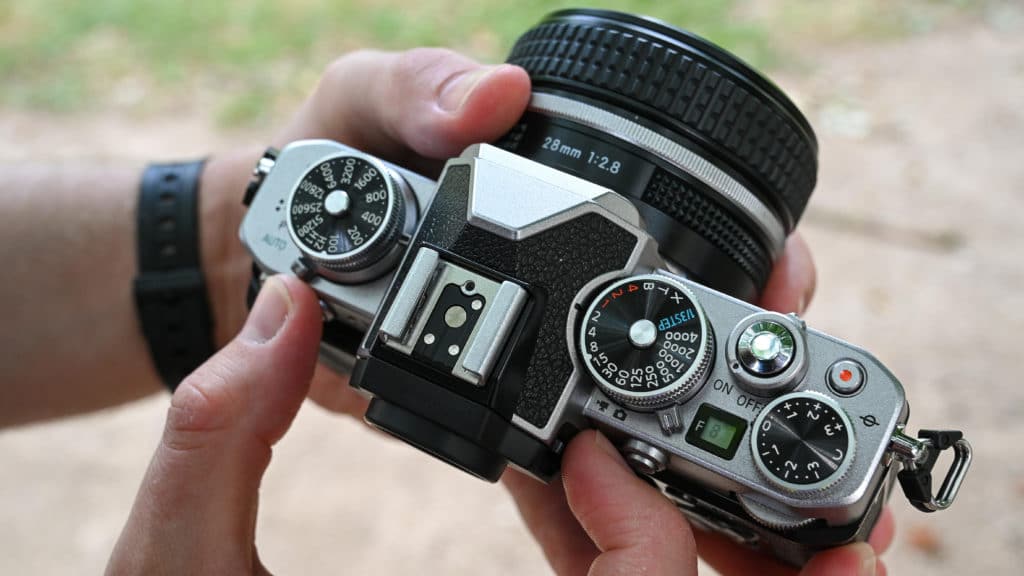
Retro-design cameras such as FujiFilm, Nikon Z Fc, OM-D Pen, etc have become very popular with their beautiful designs that include dedicated dials for exposure.
However, in our experience, these dedicated aperture & shutter speed dials make it more difficult for beginners to start. If you’re an absolute beginner, we do not recommend those cameras to start your photography journey. However they can be an excellent second camera for your travels. 🙂
Most important accessory: A custom Strap
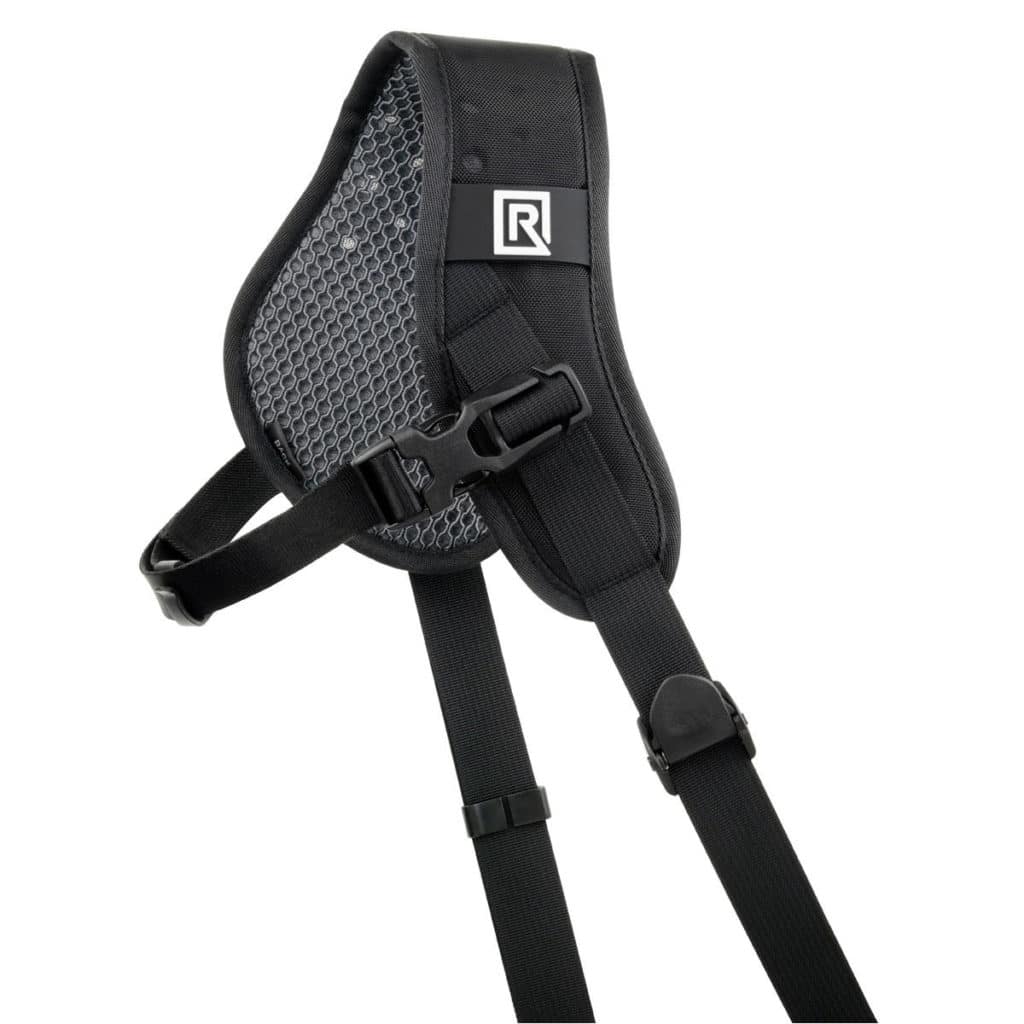
Whatever your level in photography, we strongly recommend a good strap to make carrying your camera much easier. The original straps that come with your camera are not comfortable; they are too short and not ergonomic. A good strap will make it very comfortable to carry your camera and you can use it with any camera that you have. The brand that we recommend is BlackRapid (Sports model).
This strap has soft padding that always stays on your shoulder, distributes the weight equally to both sides of your body, and when you need to take a photograph, the camera is easily pulled up into position because the camera glides along the sling while the shoulder pad stays put.
You can order it from our online store at special prices for our followers.
Post-processing:
Read our in-depth guide on the Best photography software for photographers.
Software: Adobe photography plan: Lightroom & Photoshop. CHF 11.85 / month.
Hardware: Apple MacBook M3 or MacBook M3 Pro
Related classes:
We offer several photography classes for beginners to get you up to speed quickly.
Our recommendation is the 5-week evening class for beginners if you are free in the evenings. We also offer a full day beginners course if you prefer a weekend. For a complete education, check our SPC Academy Programs which starts from 4 weeks up to 1 year.
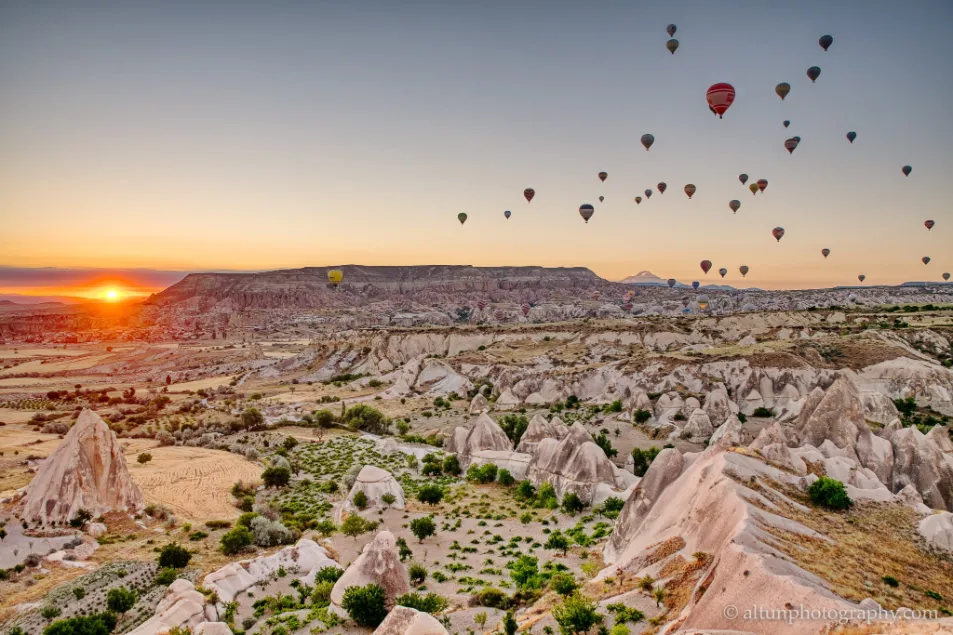
Landscape Photography
Camera & Lens
- Sony A7R V + 24-105 G + Sony 16-35 GM
- Canon R5 II + 24-70mm f/2.8 + 14-35mm f/4
- Nikon Z8 + Z 24-120 f/4 + Z 14-30 f/4
Accessories
- Strap: Blackrapid Curve Breathe or Sport (CHF 80)
- Tripod: Look for one made of carbon fiber with a minimum height of 1.5m, especially in a travel series. Cheap tripods are a false economy: if your tripod is heavy or annoying to use, you won’t use it! We recommend the wonderful MeFOTO GlobeTrotter Classic Carbon (CHF 250)
- Filter: We prefer universal filters, which slide into a bracket you can attach to any lens. Our choice is the Nisi line-up, specifically the Starter Kit Filter set (CHF 590). You can also buy single filters that only work with one diameter of lens–but then you won’t be able to use the same filter for all of your lenses and may have to buy several.
Post-processing:
Check our software for photographers article for an in depth look at our software recommendations
- Adobe photography plan: Lightroom & Photoshop.
- Aurora HDR : Free trial, CHF 99.- one time payment
- Nik Color Efex (from Nik Collection)
- Apple M4 MacBook Pro
Related Classes:
Portrait Photography
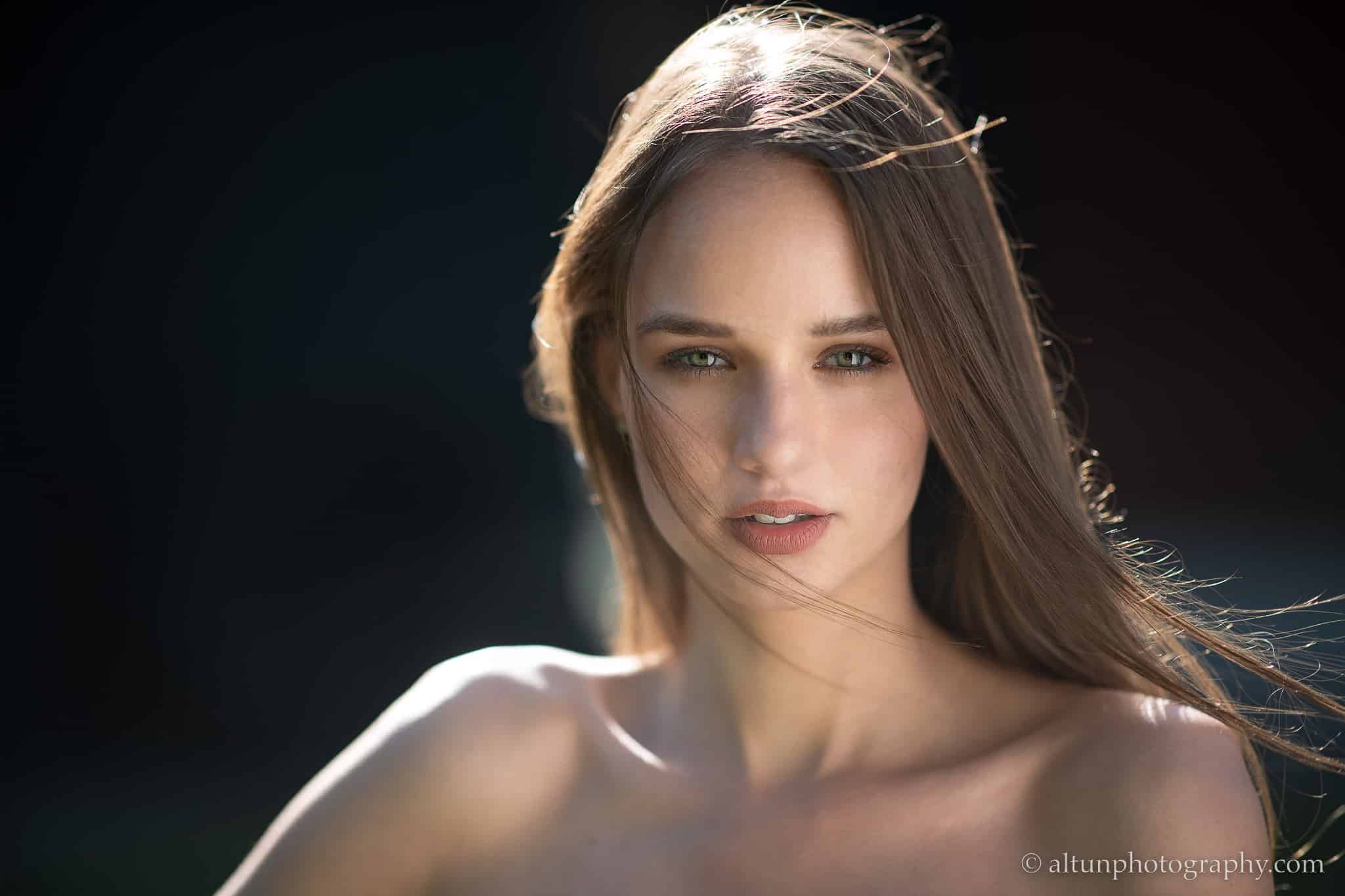
Learning skills like understanding light, posing, communication are really much more important than photography gear in portraiture. If you don’t master those, no combination of cameras and lenses will produce anything nice. After you master these principles, we recommend to invest in high quality lenses that can deliver creamy backgrounds and good sharpness.
Camera & Lens:
Our camera recommendation for portrait photography is the same as for general purpose. Eye tracking in mirrorless cameras helps a lot, especially with prime lenses (see below).
- Budget: 85mm f/1.8
- Best 85mm f/1.4 or 105mm / 135mm f/1.4 + 70-200 f/2.8
Accessories
- Camera Strap: Blackrapid Straps (Sport or Curve)
- Portable Flash: Profoto A10 or Profoto A2 plus a transmitter and a clic softbox octa 60cm
- Reflector: Godox RFT-05 5in1 Kit (CHF 35)
Post-processing:
Check our software for photographers article for an in depth look at our software recommendations
- Software: Adobe photography plan: Lightroom & Photoshop.
- Portrait Pro (Anthropics)
- Evoto for culling & AI edits
- Hardware: Apple MacBook M4 Pro
Related Classes:
- Portrait Course Full Day (7h)
- Studio Lighting Course Full Day (7h)
- Lightroom Course Full Day (7h)
- Photoshop Course Evening Class (5x3h)
Sports Photography
Camera & Lens
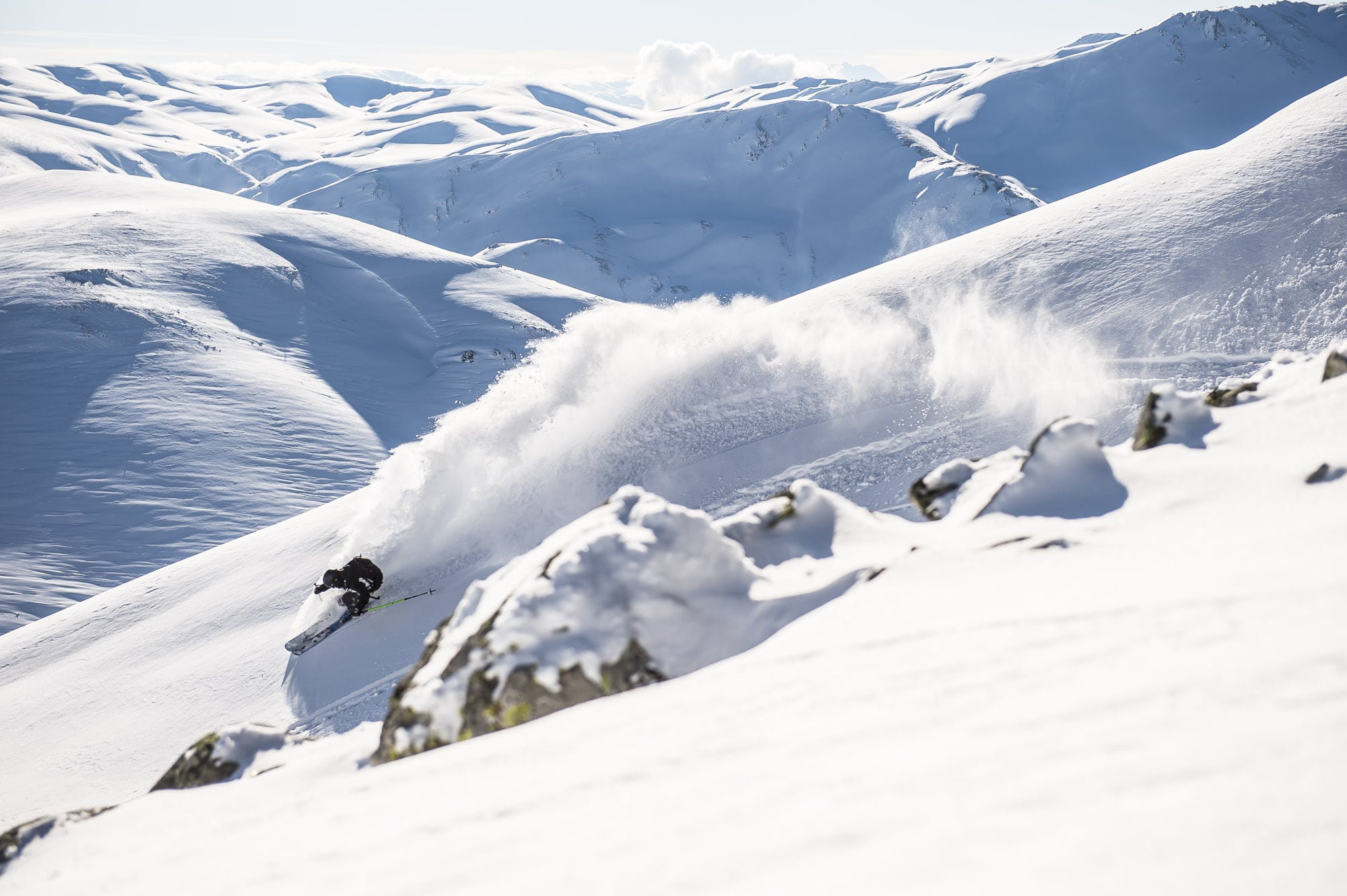
The important considerations when comparing cameras for sports photography include shots per second (that will eliminate very high resolution bodies), reliable & fast focusing, and good performance in high ISO especially when shooting indoors. Combine with a fast 70-200 f/2.8 lens.
- Nikon Z8 + Nikon Z 70-200 f/2.8 lens
- Canon R5 II + Canon 70-200 f/2.8
- Sony A1 (30fps RAW!) + Sony Gmaster 70-200 f/2.8 ($9300 new)
Accessories
Strap: Blackrapid Straps
Post-processing:
- Software: Adobe photography plan: Lightroom & Photoshop.
- Hardware: Apple MacBook M4 Pro
Related Classes
Wildlife Photography
Camera & Lens
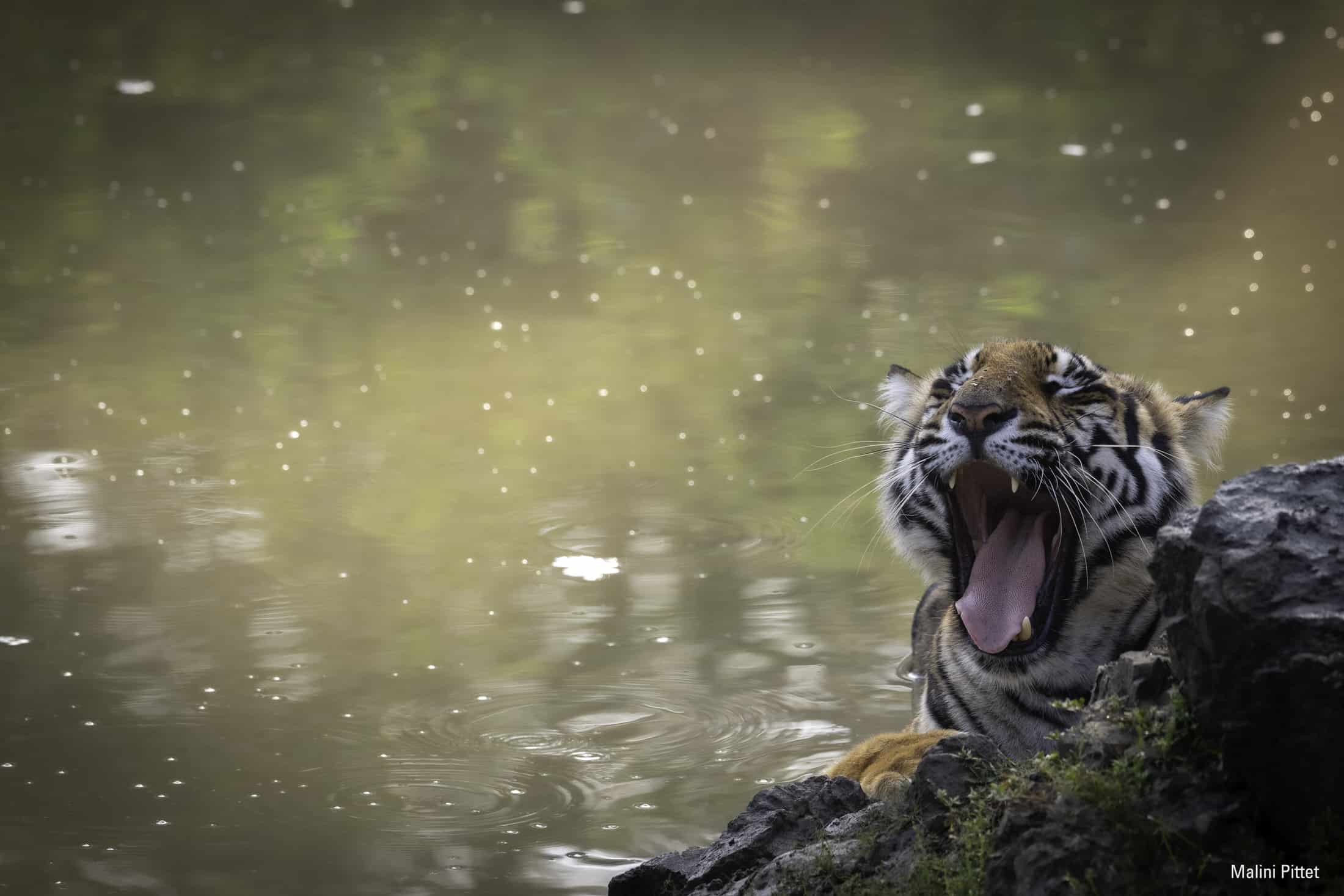
Wildlife photography usually requires a significant investment in lenses to get close to your subjects without disturbing them. Our recommendations:
- Budget: Canon powershot zoom $250 (binocular)
- Canon R7 + RF 100mm-500mm lens $4000
- Canon R5 + Canon 800mm f11 (lighter) $4800 new
- Sony A1 + 600mm f/4 (total $19500) or Sony 400 mm f2.8 combined with a teleconverter x2 to get a 800mm at f5.6
- Nikon Z8 has eye-tracking for bird photography that is off the charts, if you have the budget. Add the new Nikon 400 f/2.8 Z if you have the budget.
- Also check Tamron’s 150-600mm (~$1200). It works with all major brands, is quite cheap compared to similar lenses, and is great for beginners.
Accessories
- Harness: JAMA – BAVETTE PORTE-TÉLÉOBJECTIF or cotton carrier
- To hide and shoot: A tripod is obligatory (Travel series of any major brand, prefer carbon fiber, twist mechanism and ball head) and even better if it has a gimbal.We recommend the wonderful MeFOTO GlobeTrotter Classic Carbon (CHF 250)
- For walking, a monopod is useful too and can also be used as a stick for long walks:
Post-processing:
- Software: Adobe photography plan: Lightroom & Photoshop. CHF 11.85 / month.
- Hardware: Apple MacBook M4 Pro
Related Classes:
Filmmaking / Videography / Vlogging
Camera & Lens
Basic Video:
- Smartphone (plus a gimbal)
- Sony ZV-E1 or ZV-E10 II
- Nikon Z30
Professional Video
- Panasonic S II
- Canon R5 Mark II + RF 24-105 f2.8L
- Panasonic GH 7
- Nikon Z8 + NIKKOR Z 28‑135mm f/4 PZ
Accessories
- DJI OM 5 Smartphone Gimbal
- DJI Ronin RS3 or RS3 Pro Gimbal for mid size to bigger cameras
- Sennheiser MKE 400 Camera Mount Shotgun microphone (for indoors)
- Shure MV88 + Video Kit (Microphone for outdoor vlogging on smartphone)
- Wireless Microphone : RØDE Wireless GO II
Software:
- Adobe Premiere Pro for filmmaking
- Adobe Premiere Rush for Vlogging
- Computer: Apple MacBook M3 Pro Max or Mac Studio
Related Classes:
- Filmmaking / Videography Course (5 x 3h)
- Adobe Premiere Course (10 x 3h)

